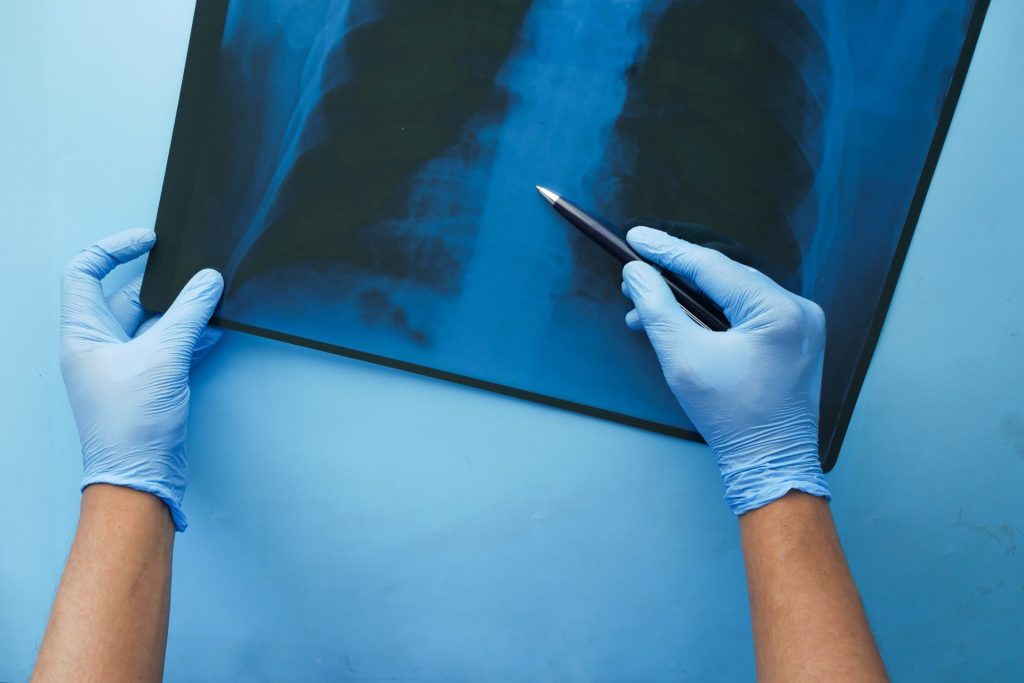
One of the questions we’re asked most often is:
“Do you think I need a scan?”
It’s a sensible question. When you’re in pain, it’s natural to want to know exactly what’s wrong. Many people assume that an X-ray or MRI scan is the quickest way to get an answer.
Sometimes it is. Quite often, though, it isn’t.
For many common muscle, joint and back problems, having a scan too early doesn’t change the treatment and can sometimes make things more confusing than reassuring.
At The Bath Practice, Rosie will always discuss whether a scan is likely to add useful information. In many cases, a thorough assessment provides the answers needed without further tests. If, however, your symptoms suggest that further investigation may be appropriate, she’ll explain why and advise you on the most suitable next step, which will usually involve speaking to your GP or another healthcare professional.
The important thing is making the right decision for you, rather than arranging a scan simply because one is available.
Why might a scan not be the right option?
Scans are incredibly useful when they’re used for the right reasons. The problem is that modern scanners are so good they often find changes that are completely normal.
As we get older, our bodies change. Discs in the spine lose water. Joints develop wear and tear. Tendons become thicker. Small tears and arthritic changes become more common.
Many of these changes are simply part of getting older and don’t necessarily cause pain. It’s a bit like finding grey hairs — they’re a change, but not a disease.
If we scanned a group of people with no pain at all, many would still show disc bulges, arthritic changes or tendon changes. That’s why scan results should always be interpreted alongside your symptoms and a thorough clinical assessment.
So how do you know what’s causing the pain?
A scan is only one piece of the puzzle. Understanding your symptoms usually starts with listening.
Rosie will ask when the pain began, what makes it better or worse, how it behaves throughout the day and how it’s affecting your life. She’ll then examine how you move, assess your joints, muscles and nerves where appropriate, and look for patterns that help explain what’s going on.
Very often, this assessment provides far more useful information than a scan alone.
When might a scan be helpful?
There are times when imaging plays an important role. If your symptoms or examination findings suggest that further investigation may be needed, Rosie will explain her reasoning and advise you to speak to your GP or the most appropriate healthcare professional.
This might include situations where there has been:
- A significant injury or trauma
- Symptoms that aren’t improving as expected
- Signs that suggest a fracture
- Symptoms affecting the nerves
- Concerns that point towards a more serious underlying condition
The purpose of a scan is to answer a specific clinical question. If it isn’t likely to change the diagnosis or influence what happens next, it may not be necessary.
When is a scan unlikely to help?
For many people with back pain, neck pain or joint pain, a scan during the early stages is unlikely to change what happens next. In these situations, understanding how the pain behaves, how you’re moving and how your symptoms respond over time is often more useful than seeing every detail on an MRI.
That doesn’t mean your pain isn’t real. It simply means that the best treatment isn’t always found by taking more pictures.
“But surely it can’t hurt to have a scan?”
It’s an understandable way to think. The difficulty is that scans often show things that sound worrying but are actually very common.
Reading words like disc degeneration, wear and tear or arthritis on a report can make people believe their body is damaged beyond repair. In reality, many people with these findings remain active, exercise regularly and have little or no pain.
A scan tells us what your body looks like. It doesn’t always tell us why it hurts.
What if my scan is normal?
That can be confusing too. Some people feel relieved. Others become frustrated because they’re still in pain.
A normal scan doesn’t mean your symptoms aren’t genuine. Many painful conditions don’t show up clearly on imaging, particularly problems involving muscles, tendons or the way the body is moving. That’s why your symptoms and examination remain so important.
What if Rosie thinks further investigation is needed?
Most people who come to see us won’t need a scan. Occasionally, however, your symptoms or examination findings suggest that further investigation would be sensible.
If that happens, Rosie will explain exactly why she feels additional tests may be helpful and advise you on the most appropriate next step. In most cases, this will mean contacting your GP, who can decide whether imaging or referral to a specialist is appropriate.
If she doesn’t think osteopathic treatment is the right approach at that stage, she’ll tell you. Your health always comes first, and sometimes the best advice is to seek further medical assessment before starting treatment.
Why we don’t rely on scans alone
One of the most rewarding parts of osteopathy is helping people understand their pain. Many patients arrive worried that they’ve “slipped a disc”, “worn everything out” or “done permanent damage.” Often, the picture is much more reassuring.
A careful assessment, a clear explanation and a sensible management plan can be just as valuable as a scan. Sometimes that plan includes osteopathic treatment. Sometimes it’s advice and reassurance. Sometimes it’s recognising that you need further medical assessment.
Our job is to help you understand what’s most appropriate for your situation and to make sure you’re guided in the right direction.
Not sure if you need a scan? Book an assessment in Bath
Rosie is happy to assess your symptoms, explain what’s likely to be causing them and advise on the most appropriate next steps — whether that’s treatment, further investigation or simply some reassurance.
Phone or text: 07717 716946
Email: rosie.clements@outlook.com
Or book online here.
Frequently Asked Questions
Not usually. Most episodes of back pain don’t require an X-ray, particularly if there hasn’t been a significant injury and there are no signs of a more serious condition.
Not always. MRI scans are excellent at showing anatomy, but many findings are also present in people with no pain. That’s why the results need to be interpreted alongside your symptoms and examination.
Yes. If you’ve had previous imaging, it’s helpful to bring the report or any relevant letters. Rosie can explain what the findings may mean in the context of your symptoms and examination.
Not usually. Most people don’t need imaging. If your history or examination suggests further investigation is appropriate, Rosie will explain why and advise you accordingly.
If Rosie feels that imaging may help to clarify your diagnosis or rule out a more serious problem, she’ll explain her reasoning and advise you on the most appropriate next step. In most cases, this will involve contacting your GP, who can decide whether further investigations or a specialist referral are needed.
Always mention your concerns. Part of every assessment is looking for signs that suggest further medical investigation may be needed. If Rosie has any concerns, she’ll explain the reasons and make sure you’re directed to the most appropriate healthcare professional.