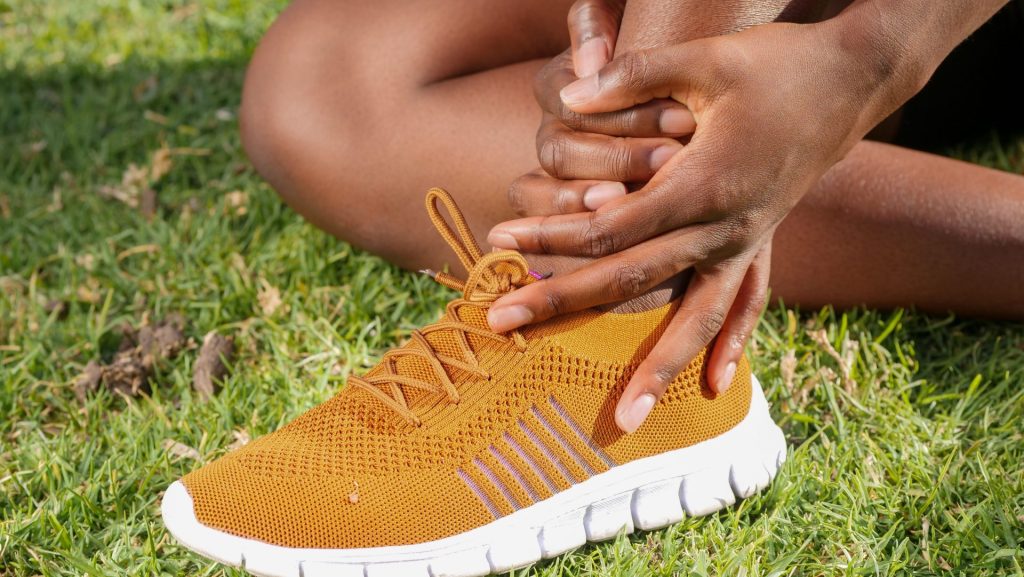
Getting injured is frustrating.
Whether you’ve hurt yourself running, playing rugby, lifting weights or simply trying to keep active, pain has a habit of getting in the way of everyday life. You might be wondering whether you should rest, push through it or whether you’ve done some real damage.
The truth is, most sports injuries aren’t serious, but they can be stubborn if they’re not managed properly.
At our osteopathic clinic in Bath, Rosie takes the time to understand what’s happened, examine the injury thoroughly and explain it in plain English. Before any treatment starts, she’ll want to know what you’ve been doing, how the injury developed and, just as importantly, what you’re trying to get back to.
For some people that’s training for a marathon. For others it’s getting through a game of golf without pain, walking the dog or being able to pick up the children comfortably again.
Whatever your goal, the plan should be built around you.
Injuries don’t always happen because of one bad movement
People often come in convinced they know exactly what caused their injury.
“I felt it on mile five.”
“I twisted awkwardly.”
“I lifted something heavy.”
Sometimes they’re right. Just as often, though, that moment was simply the final straw.
Most injuries build up over time. You might have increased your training without realising it. Perhaps work’s been busy and you’ve been sleeping less. Maybe you’ve skipped a few strength sessions or ignored a small niggle because you thought it would settle.
Individually those things aren’t usually a problem. Together, they can reduce your body’s ability to cope with the demands you’re placing on it.
That’s one of the reasons Rosie spends so much time asking questions before she starts treatment. Understanding why an injury developed is often just as important as deciding how to treat it.
Common sports injuries we see
No two injuries are exactly the same, but some problems appear more often than others. These include:
- Muscle strains
- Ligament sprains
- Achilles tendon pain
- Hamstring injuries
- Tennis and golfer’s elbow
- Runner’s knee
- Shoulder pain
- Hip pain
- Ankle sprains
- Plantar heel pain
- Lower back pain
- Tendon problems caused by overuse
Whether your symptoms came on suddenly or have been creeping up over weeks or months, a proper assessment can help identify what’s driving the problem.
Why a proper assessment matters
Pain isn’t always coming from where you feel it.
A painful knee might actually be the result of poor movement at the hip. Shoulder pain can sometimes be linked to the neck or upper back. It’s easy to make assumptions, especially after searching online, but different conditions can produce very similar symptoms.
Rosie will begin by listening to your story before carrying out a detailed examination. She’ll assess how you move, how strong you are, how your joints and muscles are working together and whether there are any signs that suggest a different diagnosis altogether.
Once she’s happy she understands what’s going on, she’ll explain everything clearly and discuss the options with you.
How can osteopathy help?
Treatment isn’t about chasing symptoms. It’s about helping your body recover while giving you the confidence to get moving again.
Depending on your injury, treatment may include hands-on techniques to improve movement, reduce muscle tension and help settle irritated tissues. Just as importantly, Rosie will give you practical advice about modifying activity, managing your symptoms and rebuilding strength.
Exercises are often an important part of treatment because recovery doesn’t stop when you leave the clinic.
The aim isn’t simply to get rid of pain today. It’s to help you return to the things you enjoy with confidence and reduce the chances of the injury coming back.
Should I stop exercising?
This is probably the question we’re asked most often. For most injuries, the answer is no.
Complete rest is rarely helpful. Equally, carrying on exactly as normal isn’t usually the answer either.
The trick is finding the right amount of activity while your body recovers. That might mean reducing your running mileage for a couple of weeks, changing your gym programme or taking a short break from one particular movement rather than stopping everything.
Keeping active in the right way often helps recovery more than doing nothing at all.
We see a lot of runners
Bath has a fantastic running community, so it’s no surprise that many of the people who visit our sports injury clinic in Bath are runners
Training for a race places repeated demands on your body. Small changes in training load, recovery or strength can sometimes lead to problems developing gradually rather than all at once.
If you’re a runner, our aim usually isn’t to stop you running altogether. Where it’s sensible to do so, we’ll help you stay active while making temporary adjustments that allow the injury to settle.
What happens at your first appointment?
Your first appointment is about understanding the problem properly. Rosie will ask plenty of questions, examine how you move and explain what she thinks is happening.
If treatment is appropriate, she’ll discuss what she recommends and why. If she thinks you need further investigation or another healthcare professional would be better placed to help, she’ll explain that too.
You’ll leave knowing what’s likely to be causing your symptoms and with a clear plan for what happens next.
When should I seek urgent medical advice?
Seek urgent medical advice if you:
- Can’t bear weight after an injury
- Suspect you’ve broken a bone
- Notice significant swelling or deformity
- Develop numbness or increasing weakness
- Experience symptoms of concussion after a head injury
If Rosie has any concerns during your assessment, she’ll make sure you’re directed to the most appropriate care.
Why choose Rosie?
Rosie believes good treatment starts with listening.
She knows that being injured isn’t just about pain. It’s about missing training, cancelling plans and worrying about whether things are going to get worse.
Her job isn’t simply to provide treatment. It’s to help you understand what’s happened, reassure you where appropriate and give you a sensible plan to get you moving again.
Patients often tell us that one of the most helpful parts of the appointment is finally understanding why they’ve been injured in the first place.
Book your sports injury assessment in Bath
To book an appointment with Rosie, contact her directly:
- Phone or text: 07717 716946
- Email: rosie.clements@outlook.com
Or book online here.
Frequently Asked Questions
Usually not. Most people benefit from staying active, although you may need to modify what you’re doing for a short period. Rosie will help you find the right balance.
Many sports injuries respond well to a combination of hands-on treatment, rehabilitation and practical advice. Whether osteopathy is appropriate depends on the nature of the injury, which is why an assessment comes first.
That depends on the injury, how long you’ve had it and what you’re aiming to get back to. Some injuries settle quickly, while others need a longer rehabilitation programme.
Yes. We regularly help runners recover from injury and return to training safely. The aim is to keep you moving where possible, while allowing the injured tissues time to recover.
That’s absolutely fine. Many people develop similar problems through work, gardening, DIY or everyday life. The principles of assessment and treatment are exactly the same.
Our Practitioners
See individual practitioners for prices and to book an appointment